
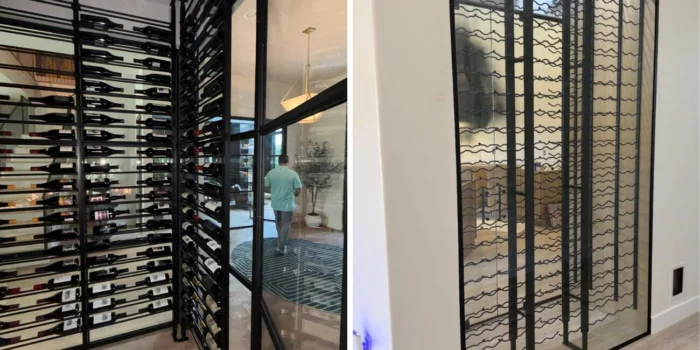
The Complete Guide to Wine Storage & Preservation
You finally decide to open that special bottle you’ve been saving for years. You pour a glass, take a hopeful sip, and instead of rich aromas and balanced flavors, you’re greeted by a wine that tastes flat, tired, or strangely sour. The disappointing truth is that even the finest wine can’t survive poor storage conditions.
But it’s not all bad news! Preserving wine isn’t about luck or expensive gadgets. It’s about creating the right environment and sticking to a few time-tested principles.
Whether you’re just starting your collection or already have a dedicated custom wine storage solution, understanding the basics of preservation can make all the difference.
At Wine Cellars of Houston, our founder, Rudy Ardon, a master carpenter and wine lover, knows what it takes to preserve and enjoy wine. So, think of this as your guide, packed with practical advice!
From everyday favorites to prized vintages, proper storage protects the flavor, aroma, and value of your collection for years to come. Let’s break this down in our ultimate wine preservation guide.

Why Proper Wine Storage Matters?
Wine is unlike most beverages because it continues to evolve long after it’s bottled. Given the right conditions, its flavors become more balanced, its aromas grow more complex, and its overall character improves with age. But when stored incorrectly, that same bottle can deteriorate much faster than expected.
The biggest enemies of wine are:
- Sudden temperature changes
- Direct sunlight
- Low humidity
- Poor air circulation
These factors can dry out corks, encourage oxidation, and boost chemical reactions that rob wine of its intended taste. According to WSET, maintaining a cool and stable storage environment is one of the most important factors in preserving wine quality.
Proper storage is also about protecting your investment. Whether you own a few cherished bottles or an expanding collection, giving them a suitable home ensures they’ll be ready when the occasion calls. This is where professionally designed home wine cellars stand apart. They create a consistent environment that supports healthy aging while making your collection easy to organize and enjoy.
For homeowners looking to build a cellar that combines function and style, Wine Cellars of Houston has built a reputation for designing personalized storage spaces for every collection. From elegant residential installations to large-scale commercial projects, we focus on craftsmanship, climate control, and thoughtful design that keeps wine in ideal condition.

The 7 Pillars of Wine Preservation
1.Temperature
If wine had a best friend, it would be consistency. While we recommend storing wine at around 55°F, maintaining a stable temperature is even more important than chasing the perfect number. Frequent swings between hot and cold cause wine to expand and contract inside the bottle. This places stress on the cork and allows unwanted oxygen to enter.
That’s why kitchens, garages, laundry rooms, and attics rarely make suitable storage spaces. They experience daily temperature fluctuations that can shorten a wine’s lifespan.
The UC Davis Department of Viticulture and Enology also emphasizes that stable storage conditions help preserve a wine’s intended development over time. If you’re serious about aging your bottles, investing in professionally designed custom wine cellars with proper cooling systems offers far greater protection than relying on household conditions.
2. Humidity
Temperature often gets all the attention, but humidity quietly plays an equally important role. Natural corks need enough moisture to remain slightly expanded. Dry air can cause corks to shrink, letting in oxygen and prematurely oxidizing the wine. Excess humidity, on the other hand, may encourage mold growth and damage labels, making it difficult to identify valuable bottles.
We recommend maintaining humidity between 60% and 70% for long-term storage. Monitoring these levels with a hygrometer and ensuring proper ventilation helps create a balanced environment that supports healthy aging without creating unnecessary maintenance issues.
3. Light
Wine and sunlight have never been good companions. Ultraviolet rays trigger chemical reactions that can alter delicate aromas and produce unpleasant flavors, especially in white and sparkling wines. Even prolonged exposure to strong artificial lighting can affect bottles over time.
For this reason, dedicated storage spaces are typically designed with soft LED lighting and minimal direct exposure. If your collection is displayed behind glass, choosing UV-resistant materials adds another layer of protection without sacrificing style. It’s one of the many thoughtful details that transforms an ordinary storage room into a cellar built for preservation.
4. Vibration
Wine prefers a quiet life. Constant movement or vibration may seem harmless, but over time it can disturb the natural aging process by preventing sediments from settling properly. While the effects are subtle, collectors who plan to age wine for several years often avoid storing bottles near washing machines, heavy appliances, elevators, or areas with frequent foot traffic.
Modern wine cellar cooling systems are also designed to minimize vibration while maintaining a consistent climate. Choosing the right equipment helps create a calm environment where your collection can mature naturally.
5. Air Quality
Fresh, clean air matters more than many people realize. Natural corks are slightly porous. So, strong odors from paint, cleaning chemicals, or nearby food can eventually find their way into the bottle. Poor ventilation can also encourage mold and mildew, especially in humid spaces.
A well-designed cellar balances humidity with proper airflow, keeping the environment clean without drying out the corks. This is why our professionally built luxury wine cellars often include carefully planned ventilation alongside climate control. Good air quality protects not only the wine itself but also the shelving, labels, and overall condition of the cellar.
6. Bottle Position
If your bottles have natural corks, store them on their sides. Keeping the wine in contact with the cork helps prevent it from drying out, reducing the risk of oxidation. Bottles with screw caps or synthetic corks are less sensitive to position, but storing them horizontally still saves space and creates a more organized collection.
Thoughtful organization is also an important part of wine collection management. Group bottles by region, varietal, or drinking window so they’re easy to find without unnecessary handling. Simple labeling systems make it easier to rotate bottles and avoid opening a wine before, or long after, its ideal drinking period.
7. Storage Duration
Not every bottle is destined for decades in the cellar, and that’s perfectly fine. Many everyday wines are produced to be enjoyed within a few years of release, while premium red, select whites, and vintage Champagnes often benefit from careful aging.
Knowing your wine’s expected lifespan is one of the most valuable long-term wine storage tips to follow. It helps you decide whether a bottle belongs in a dedicated cellar or can simply be kept in a cool, dark space until it’s ready to drink.

Short-Term vs Long-Term Wine Storage
Short-term storage is perfect for bottles you plan to enjoy within a few months. A cool pantry, a wine fridge, or any dark, temperature-stable room is usually sufficient to keep the wine protected until it’s opened.
Long-term aging requires more precise planning. Bottles resting for years need controlled temperature, balanced humidity, proper airflow, and minimal vibration. These conditions are best maintained in a purpose-built cellar.
Here’s a quick comparison.
| Storage Factor | Short-Term Storage | Long-Term Storage |
| Temperature | Cool and stable | Precisely climate-controlled |
| Humidity | Helpful but less critical | Maintain 60-70% humidity |
| Storage space | Wine fridge or pantry | Dedicated wine cellar |
| Bottle organization | Basic | Organized inventory system |
| Best for | Wines to enjoy soon | Wines intended for aging |
We bring decades of expertise to this process. We design custom storage spaces, from compact wine closets to expansive cellars, tailored to your collection’s size and long-term preservation needs.
Common Wine Storage Mistakes
Even experienced collectors can make small mistakes that affect wine over time. Here are some wine storage tips:
- Refrigeration
Don’t rely on a standard kitchen refrigerator for long-term storage. While convenient, household refrigerators are too cold, too dry, and subject to frequent temperature changes.
- Storing Near Heat Sources
Never place bottles near windows or heat-producing appliances. Sunlight and fluctuating temperatures accelerate aging and reduce wine quality.
- Vertical Position
Standing cork-sealed bottles upright for an extended period can dry out the cork, increasing the risk of oxidation.
- Ignoring Routine Maintenance
Many people overlook regular maintenance. Ignoring unusual noises from cooling systems, failing to check humidity levels, or delaying wine cellar repair can turn minor issues into expensive problems. Frequent inspections can help identify concerns before they threaten an entire collection.
- Crowding
Avoid overfilling your storage space. Leaving enough room for airflow and future additions makes bottles easier to access and helps maintain consistent conditions in the cellar.
A thoughtfully planned storage system isn’t just more attractive. It also gives every bottle the best chance to age gracefully.

Seasonal Wine Cellar Maintenance
A well-designed wine cellar doesn’t ask for constant attention, but it does reward regular care. A simple seasonal maintenance routine can help keep your collection safe and your storage conditions consistent throughout the year.
- In spring, inspect the cellar for signs of condensation, mold, or water leaks that may have developed during colder months.
- Summer is the perfect time to check that the cooling system is running efficiently, especially as outdoor temperatures rise.
- During fall, clean shelves, racks, and floors to remove dust and debris.
- Monitor humidity levels in winter to ensure the air doesn’t become too dry.
It’s also worth checking door seals, replacing air filters if required, and testing temperature and humidity monitors. These small tasks go a long way in preserving both your wine and the cellar itself.
If you notice inconsistent temperatures, excess moisture, or unusual noises from your cooking equipment, don’t ignore them. Many collectors also schedule an annual professional inspection to ensure every part of the cellar continues to perform as intended.

Protecting Your Collection From Environmental Risks
Even the best-designed cellar can face unexpected challenges. Heat waves, winter cold snaps, power outages, flooding, and household accidents can all affect your wine if you’re unprepared.
- Heat
During periods of extreme heat, avoid opening the cellar door more often than necessary, as this allows warm air to enter and forces the cooling system to work harder.
- Power Outage
If a power outage occurs, keeping the cellar closed helps maintain a stable temperature for longer. For valuable collections, a backup power source can provide extra peace of mind.
- Flood
Flood prevention is equally important, particularly in areas in Texas prone to heavy rainfall. Keeping bottles on raised racks and regularly checking for plumbing leaks can help reduce the risk of water damage.
- Airborne
Smoke and strong chemical odors should also be kept away from storage areas, as natural corks can absorb unwanted smells over time.
- Earthquakes
If you live in an area with seismic activity, it’s also worth taking extra precautions to secure your collection. Anchor wine racks to keep your wine collection earthquake-proof.
The goal isn’t to prepare for every unlikely scenario but to create a storage environment that’s resilient enough to handle everyday surprises with minimal disruption.

Wine Cellar Design Best Practices
A well-designed wine cellar should do more than make a statement. It should create the ideal environment for preserving your collection while reflecting your personal style. Keep these best practices in mind when planning your cellar:
- Prioritize Insulation
Use quality insulation and vapor barriers to maintain a stable climate, improve energy efficiency, and reduce the workload on your cooling system.
- Choose Durable Storage Materials
Invest in sturdy, moisture-resistant shelving and racks that can safely support your collection for years to come.
- Plan an Efficient Layout
Arrange racks for easy access, proper bottle organization, and good airflow throughout the cellar.
- Don’t Overlook Ventilation
Adequate air circulation helps maintain balanced humidity levels and prevents mold, mildew, and stale odors.
- Select the Right Doors
Choose wine cellar doors with an airtight seal to maintain consistent temperature and humidity while complementing the cellar’s overall design.
- Use UV-Protective Glass
If you prefer glass features, opt for insulated, UV-resistant glass to showcase your collection without exposing it to harmful light.
- Design For the Future
Wine collections often grow over time, so plan for additional storage capacity now to avoid costly renovations later.
A thoughtful design balances beauty with functionality, ensuring your wine remains protected while creating a space you’ll enjoy for years to come.
No matter the size of your collection, learning how to preserve wine starts with consistency. Stable temperatures, balanced humidity, proper lighting, regular maintenance, and thoughtful design all work together to protect every bottle.
Whether you’re storing a handful of everyday favorites or building a cellar for generations of collecting, investing in the right environment is one decision you’ll never regret. With expert guidance and carefully crafted storage solutions, we ensure every bottle is ready to be enjoyed exactly as the winemaker intended.

Rudy Ardon is the visionary Founder & CEO behind Wine Cellars of Houston. Since 1998, his master carpentry has designed the most luxurious custom wine cellars. From flawless cooling units to elite restorations, Rudy turns wine storage into high art.
Mail ID: rudy@winecellarsofhouston.com
Frequently Asked Questions
Rudy Ardon is the visionary Founder & CEO behind Wine Cellars of Houston. Since 1998, his master carpentry has designed the most luxurious custom wine cellars. From flawless cooling units to elite restorations, Rudy turns wine storage into high art.
Mail ID: rudy@winecellarsofhouston.com


